
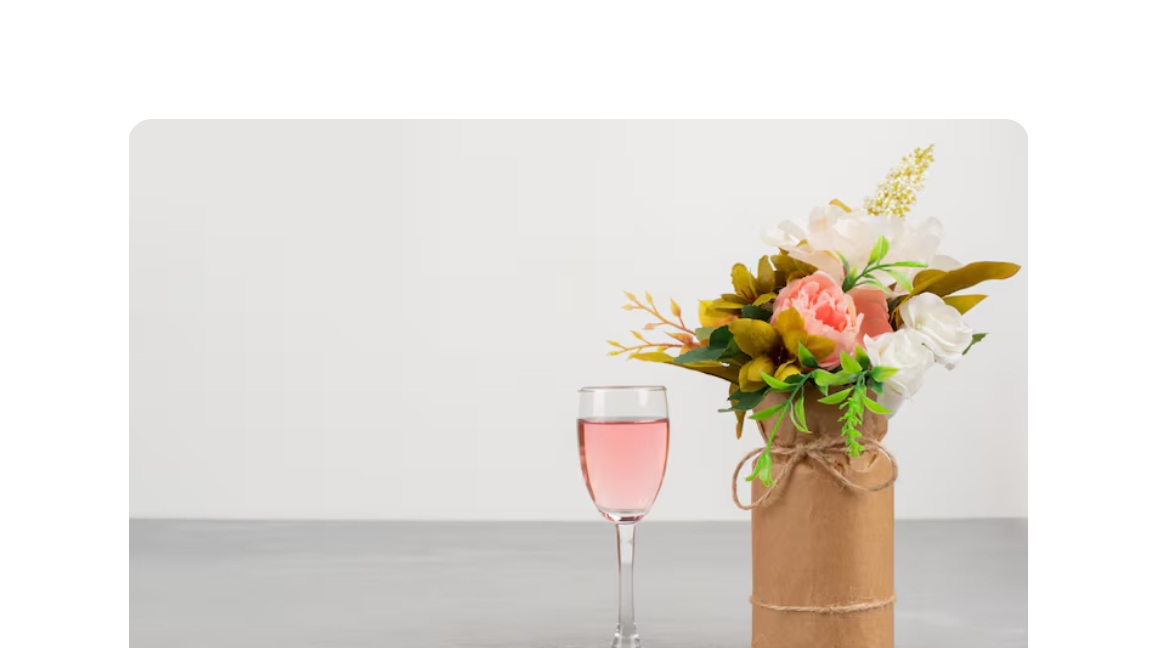
Rosé wine has grown far beyond its reputation as a simple, seasonal drink. Today, it offers a wide range of styles, flavors, and experiences that make it suitable for almost any setting. Exploring options when you shop rose wine at WineDeals can help you discover just how diverse and adaptable this category really is.
Rosé Is More Complex Than It Looks
At first glance, rosé might seem like a straightforward wine—but it actually sits between red and white in both structure and flavor.
-
It combines the freshness of white wine with the fruit character of red wine
-
It can range from dry and crisp to fruity and slightly sweet
-
It varies in color from pale pink to deeper shades depending on how it’s made
This balance is what gives rosé its wide appeal and versatility.
How Style Changes Your Experience
Not all rosé wines taste the same, and the style you choose will shape your experience.
Common styles include:
-
Pale, dry rosé: light, crisp, and subtle
-
Fruit-forward rosé: more expressive with berry notes
-
Sweeter blush wines: softer and more approachable
Rosé can even vary from still to lightly sparkling, showing how flexible the category can be.
The Role of Grapes and Regions
Rosé can be made from many different red grape varieties, and each one brings something unique.
Popular grapes:
-
Grenache for light and delicate styles
-
Pinot Noir for elegance and subtlety
-
Sangiovese or Tempranillo for slightly bolder profiles
Regions also influence the final result. For example, Mediterranean climates often produce lighter, fresher rosés, while warmer regions may create richer, fruitier versions.
Choosing Rosé Based on Mood and Setting
Instead of focusing only on price or brand, think about when and how you plan to enjoy your wine.
For relaxed afternoons:
-
Light, crisp rosés with refreshing acidity
For meals:
-
Dry rosés that pair well with seafood, salads, or grilled dishes
For casual sipping:
-
Slightly fruitier or off-dry styles
Rosé’s adaptability makes it easy to match with different situations.
Color Can Be a Helpful Clue
The shade of rosé can give you a hint about what to expect.
-
Lighter pink: usually more delicate and crisp
-
Darker pink: often richer with more fruit intensity
This comes from how long the grape skins stay in contact with the juice during winemaking.
Why Rosé Is Ideal for Exploration
Rosé is one of the easiest wine categories to experiment with.
-
It doesn’t require aging—most bottles are meant to be enjoyed young
-
It offers a wide range of styles at accessible price points
-
It’s forgiving, making it great for both beginners and experienced drinkers
Because of this, trying different bottles can quickly help you understand your preferences.
Serving Rosé for the Best Experience
To get the most out of rosé wine:
-
Serve chilled, but not overly cold
-
Use a standard wine glass to allow aromas to develop
-
Drink it fresh to enjoy its bright, lively flavors
These small details can make a noticeable difference.
Final Thoughts
Rosé wine is far more than just a “pink drink.” It’s a diverse category that offers something for nearly every taste, from crisp and dry to soft and fruit-forward.
By understanding how style, grape, and region influence the wine, you can make more confident choices and enjoy rosé in a way that fits your personal taste and everyday moments.