
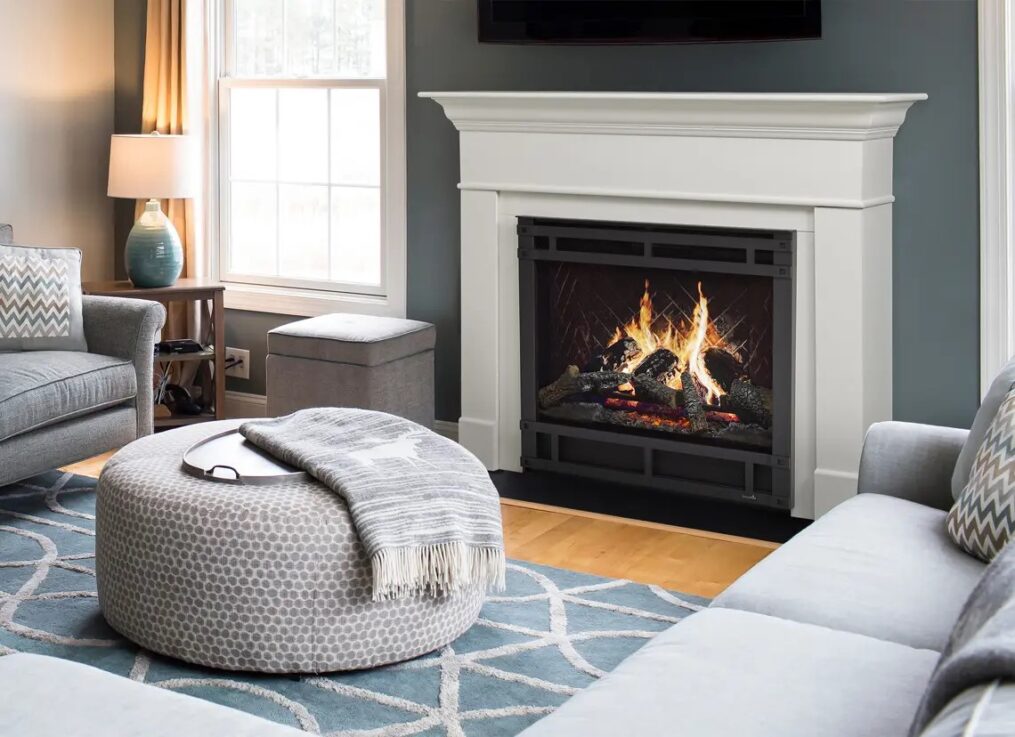
Your fireplace is more than just an architectural feature; it is the heart of your living room, a source of comforting warmth, and a gathering place for family and friends during chilly evenings. However, the systems that keep your hearth burning safely and efficiently require regular upkeep to prevent structural issues and hazardous conditions. Homeowners frequently overlook the hidden components of their venting systems, which can lead to inefficient heating, smoke backdrafts, or worse, internal chimney fires. Investing in proactive maintenance ensures your household remains safe while maximizing the lifespan of your heating appliances.
Neglecting your venting system can lead to a dangerous accumulation of creosote, a highly flammable byproduct of burning wood, along with debris or animal nests that obstruct the airflow. When airflow is restricted, toxic gases like carbon monoxide can seep back into your living spaces, posing a severe health risk to your family. Recognizing the warning signs such as an unusual smoky odor, visible soot buildup, or a fireplace that struggles to draw air, is the first step in taking control of your home’s safety. To address these concerns before they escalate into costly repairs, you can easily Schedule an appointment with Chimneyz to have certified professionals inspect your system.
Understanding the Structural Vulnerabilities of Your Chimney
A chimney is constantly exposed to harsh environmental elements, making it susceptible to wear and tear over time. Water penetration is the single greatest enemy of masonry structures. When rainwater absorbs into porous bricks and mortar joints, it undergoes a freeze-thaw cycle during colder months. This expansion and contraction cause the masonry to crack, spall, and eventually crumble, compromising the structural integrity of the entire stack.
Beyond the exterior masonry, the internal chimney liner plays a vital role in protecting your home from intense heat. Older homes often feature clay tile liners that can crack over decades of use, while newer systems might utilize stainless steel liners that require specialized cleaning techniques. A damaged liner allows heat to transfer directly to the combustible frame of your home, creating a severe fire hazard that remains completely invisible from the outside.
Regular professional evaluations are necessary to detect these structural vulnerabilities before they lead to catastrophic failure. Certified technicians utilize advanced specialized cameras to examine the interior liner from top to bottom, identifying hairline fractures, gaps in mortar, and hidden blockages that the untrained eye would easily miss.
The Science Behind Efficient Hearth Ventilation
Proper ventilation relies on a delicate balance of physics known as the draft effect. As hot air rises through the flue, it creates a pressure differential that draws fresh oxygen into the firebox, sustaining a clean and efficient burn. When a chimney is coated in soot or obstructed by external debris, this natural draft is disrupted, causing the fire to smolder and produce excessive smoke.
Inefficient burning not only wastes fuel but also accelerates the production of creosote. Creosote manifests in three stages, ranging from a flaky, easily brushable soot to a thick, tar-like glaze that adheres stubbornly to the flue walls. Third-stage creosote is highly volatile and serves as the primary fuel source for dangerous chimney fires, which can quickly spread to the roof and attic spaces of a residence.
By maintaining clean interior pathways, you optimize the thermal efficiency of your hearth. This means your home retains more heat using less firewood, reducing your overall energy footprint and saving you money on seasonal fuel costs. Clean venting systems also contribute to better indoor air quality, ensuring that fine particulate matter and combustion byproducts are safely directed outside.
Proactive Seasonal Maintenance for Year-Round Security
The ideal time to address venting maintenance is during the spring and summer months, well before the arrival of winter weather. Scheduling inspections during the off-season ensures that any necessary structural masonry work, liner replacements, or crown repairs can be completed without rushing, leaving your hearth fully operational by the time the first cold snap arrives.
Waiting until late autumn often leads to scheduling delays due to peak seasonal demand, which can leave you without a safe heating source when you need it most. A proactive approach allows homeowners to budget for repairs comfortably and avoids the stress of emergency service calls during freezing temperatures.
Every maintenance plan should include a thorough evaluation of the chimney cap and crown. The concrete crown at the top of the stack acts as a roof, shedding water away from the bricks, while the mesh cap prevents wildlife, leaves, and rain from entering the flue. If these components are damaged, your entire system becomes vulnerable to rapid deterioration and wildlife infestations. If you notice drafts or moisture inside your firebox, you should immediately Schedule an appointment with Chimneyz to secure your system against the elements.
Choosing Specialized Expertise for Long-Term Value
Attempting to clean or repair a venting system without proper training and heavy-duty equipment can result in incomplete cleaning, personal injury, or accidental damage to the home’s interior. Professional technicians possess the specific tools, drop cloths, and high-powered vacuum systems required to contain soot and dust, keeping your living room spotless throughout the process.
Furthermore, certified experts understand local building codes and fire safety standards, ensuring that any repairs or modifications comply fully with regional regulations. This compliance is crucial not only for your physical safety but also for maintaining your home insurance coverage, as many policies require proof of regular professional maintenance in the event of a fire claim.
Investing in skilled care provides invaluable peace of mind, knowing that your fireplace has been thoroughly evaluated by experts who prioritize your family’s well-being. When you are ready to prepare your hearth for the upcoming season, you can Schedule an appointment with Chimneyz to receive an honest assessment and top-tier workmanship tailored to your home’s unique architectural needs.
Frequently Asked Questions
How frequently should a home fireplace system be inspected?
The National Fire Protection Association recommends that all venting systems, chimneys, and fireplaces be inspected at least once a year by professionals. Even if you do not use your fireplace frequently, an annual evaluation by Chimneyz is essential to check for structural integrity, animal nesting, and environmental damage that may have occurred over the seasons.
What are the primary indicators that a chimney needs immediate cleaning?
You should look out for visible dark soot or oily buildup inside the firebox, a strong smoky odor coming from the hearth when it is not in use, or performance issues such as wood struggling to catch fire or smoke backing up into the room. If you observe any of these warning signs, contacting Chimneyz for a professional cleaning will resolve the airflow restriction safely.
Can a damaged chimney liner affect the safety of my household?
Yes, a compromised or cracked chimney liner poses a severe risk because it allows extreme heat and toxic gases to escape into the surrounding walls of your house. By having Chimneyz inspect and repair your liner, you ensure that combustible framing materials are fully protected from heat transfer and that carbon monoxide is safely vented outdoors.
What is creosote, and why is it considered dangerous?
Creosote is a highly flammable, dark tar-like residue that accumulates inside your flue as a natural byproduct of burning wood. When creosote layers are left to build up over time, they can easily ignite from a stray spark, resulting in a dangerous chimney fire; fortunately, regular maintenance by Chimneyz effectively removes this hazard.
How do I protect my chimney system from water damage during the rainy season?
Protecting your masonry involves ensuring your chimney cap is securely installed and that the concrete crown is free of cracks. The team at Chimneyz can inspect these protective components and apply specialized breathable waterproof sealants to your exterior bricks to prevent water penetration and subsequent winter freeze damage.