
Healthy development and growth of a plant facilitates its yield. This requires proper plant nutrition. Various elements and substances are used in this process. Thus, after the process is complete, the desired yield is obtained.
How Plant Nutrition is Performed
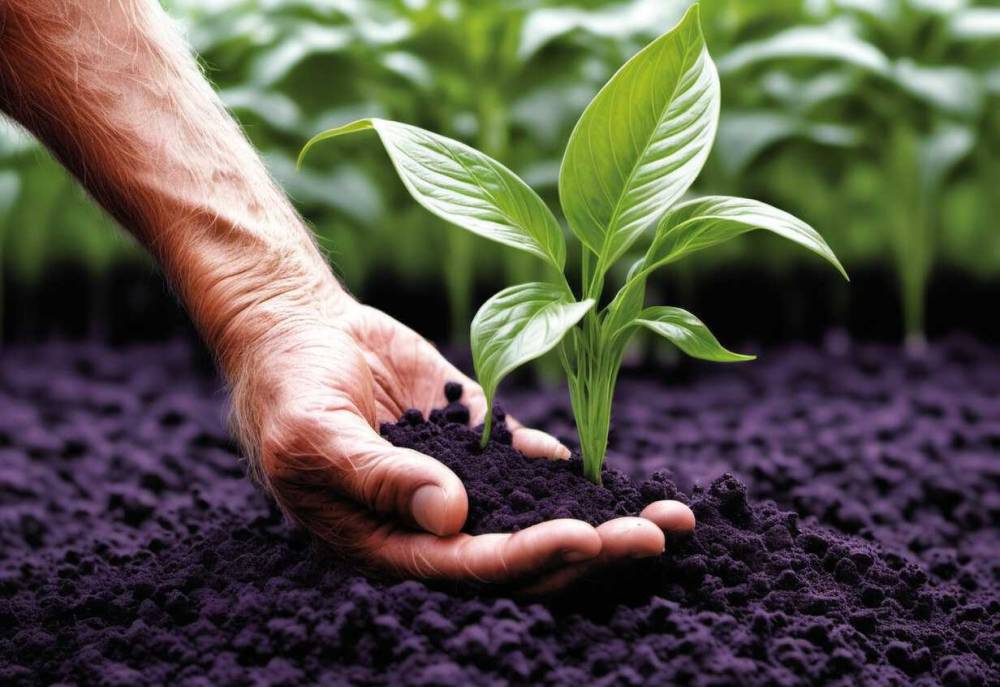
Plants, which belong to the living group, need to be nourished in order to produce the desired products. This necessary nutrition involves a long process and requires multiple steps. First, it is necessary to determine whether the chosen plant is suitable for the soil. For this, it is learned what grows in which soil. After determining that the soil is suitable, the planting process is carried out. After this process, the plant is observed.
The observation phase varies according to the seedling, development, and fruit formation stages. Problem-free fruit formation is expected. The correct fertilization method must be selected for the plant to be produced. Fertilization is done in the form of foliar application, liquid fertilization, solid fertilization, and soil application. Finally, the irrigation method must be determined and it must be ensured that the plant receives the necessary amount of water.
The Importance of Plant Nutrition
For plants intended for cultivation in fields or gardens, complete and thorough nutrient treatment is essential. Proper nutrient application facilitates higher yields and helps improve soil development in the future. The plant receives the necessary nutrients, resulting in higher quality produce. Complete nutrient application also increases the vitamin content of the crop.
Methods of Plant Nutrition
Various methods can be used for the plants intended for production. These methods vary depending on the producer’s preference and production plan.
· Methods used include:
· Soil fertilization
· Organic fertilization
· Irrigation fertilization
· Inorganic fertilization
· Foliar fertilization
· Symbiotic fertilization
· Drip irrigation fertilization
To apply these methods, the plant species must be determined. Since the same method will not benefit every plant, action must be taken according to the species. Furthermore, it is important to consider the opinions of those who use these methods when determining the appropriate method.
Products of Plant Nutrition
Every plant needs nutrient products to develop into a product. These products must be applied by producers at the right time to ensure efficient harvesting. The products used in plant nutrition are of two types.
Micronutrients consist of iron, manganese, zinc, copper, boron, molybdenum, and chlorine. These products should be given to plants in maximum quantities. Macronutrients, on the other hand, are sulfur, calcium, potassium, nitrogen, magnesium, and phosphorus. These products are used in high quantities to nourish plants. However, the amount must be determined according to the type of plant being produced.
Benefits of Plant Nutrition
Successful production and finding the benefits of plant nutrition depend on using the correct method and application. Complete fertilization helps strengthen plant walls and complete plant development.
Adequate calcium intake during fertilization facilitates plant growth. This leads to more productive yields in consumption and sales. Complete fertilization contributes to cost savings because it eliminates the need for replanting and purchasing seeds.
Remember that there are vital points in plant nutrition and always consult an expert.