


Time savings. That’s what everyone talks about. “Automate your work, save hours.” True, but incomplete. The most profound benefits of an automation Python course aren’t the hours reclaimed — they’re the changes you don’t expect. The shifts in how you think, work, and grow that marketing materials never mention.
This guide reveals the hidden benefits — the ones graduates discover months later and wish someone had told them upfront. For those exploring options, this guide to Python courses in Toronto covers programs that deliver these deeper outcomes.
Hidden Benefit #1: You Start Thinking in Systems
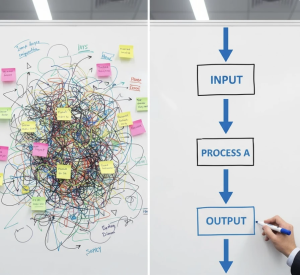
What happens: Before Python, you see tasks. After Python, you see processes. The mental shift is subtle but transformative. You stop thinking “how do I do this?” and start thinking “how does this work as a system?”
Why it matters: Systems thinking applies everywhere — not just automation. You start seeing workflows, bottlenecks, dependencies. Problems become visible before they cause failures. Improvements become obvious because you understand the whole.
The unexpected reach: This thinking extends beyond technical work. Meeting planning, project management, even personal organization — systems thinking improves them all. The course taught Python; you learned how to see complexity clearly.
Hidden Benefit #2: Error Messages Stop Being Scary
What happens: Remember when a computer error meant panic? Something broke and you didn’t know why. After learning Python, errors become information. Red text isn’t failure — it’s feedback pointing to specific problems with specific solutions.
Why it matters: This comfort with errors extends beyond Python. Software problems at work become puzzles instead of crises. You troubleshoot instead of panic. “It’s not working” transforms into “let me see what the error says.”
The unexpected reach: You become the person others ask when things break. Not because you know every system, but because you’ve learned to read error messages and search effectively. Technical confidence radiates beyond the skills that built it.
Hidden Benefit #3: You Become Dangerous With Documentation
What happens: Learning Python teaches you to read technical documentation — library docs, API references, official guides. A skill you didn’t know you lacked becomes second nature.
Why it matters: Documentation reading unlocks self-service learning. New tool at work? Read the docs. Unfamiliar software? Check the documentation. You stop waiting for training and start finding answers independently.
The unexpected reach: This applies to everything with documentation — software, equipment, policies, procedures. You’ve learned how technical writing works and how to extract what you need. It’s a meta-skill that keeps giving.
Hidden Benefit #4: Your Questions Get Better
What happens: Python forces you to formulate precise questions. “Why doesn’t this work?” becomes useless. “Why does line 15 produce a TypeError when column ‘date’ contains string values?” gets answers. Precision becomes habit.
Why it matters: Better questions get better answers — from Google, from colleagues, from support systems. You waste less time on miscommunication. Problems resolve faster because they’re described accurately.
The unexpected reach: This precision transfers to all communication. Emails become clearer. Requests become specific. The debugging mindset — isolating variables, identifying exact issues — improves how you think and communicate about any problem.

Hidden Benefit #5: Imposter Syndrome Has Company
What happens: Learning Python means joining a community where everyone — even experts — constantly learns and occasionally feels inadequate. You discover that imposter syndrome is universal in tech. Knowing this is strangely comforting.
Why it matters: You stop thinking your uncertainty is unique. Senior developers Google basic syntax. Experienced programmers forget things. The field normalizes continuous learning and occasional confusion.
The unexpected reach: This normalization of uncertainty helps everywhere. Not knowing something isn’t shameful — it’s the starting point for learning. You ask questions more freely because you’ve seen experts ask questions too.
Hidden Benefit #6: You Gain a Superpower in Meetings
What happens: Technical discussions that were previously opaque become comprehensible. When developers talk about scripts, APIs, data processing — you follow. When IT proposes solutions — you evaluate. You have informed opinions where you previously had none.
Why it matters: Cross-functional communication improves. You bridge business and technical perspectives because you speak both languages. Projects you participate in benefit from your bilingual capability.
The unexpected reach: Career opportunities expand into roles requiring technical liaison. Strategy discussions include you because you understand implementation. The Python course didn’t just teach coding — it taught translation.
Hidden Benefit #7: Boredom Becomes Intolerable (In a Good Way)
What happens: Once you’ve automated tedious tasks, doing them manually feels unbearable. The tolerance for repetitive work evaporates. What you once accepted, you now refuse to tolerate.
Why it matters: This intolerance drives continuous improvement. You keep finding things to automate because manual repetition now feels like failure. Efficiency becomes a habit, not an occasional effort.
The unexpected reach: This impatience with inefficiency spreads beyond your own work. You notice organizational inefficiencies, process waste, unnecessary manual steps everywhere. Sometimes this is frustrating. Often, it identifies valuable improvement opportunities.
Hidden Benefit #8: You Build Something From Nothing
What happens: There’s a profound satisfaction in creating functional tools that didn’t exist before. A script that solves your problem, built by your hands, from your understanding. Creation from nothing.
Why it matters: Most professional work is modification — editing documents, adjusting processes, refining existing things. Creation is different. The experience of making something real from abstract knowledge stays with you.
The unexpected reach: This creative confidence extends beyond code. You’ve proven you can learn complex skills and apply them to create value. What else might you create? The question opens possibilities that didn’t exist before you started.


The Compounding Hidden Benefits
These benefits interact and multiply:
Systems thinking + better questions = superior problem diagnosis across all domains.
Documentation skills + error comfort = radical self-sufficiency with any technical tool.
Meeting superpower + normalized imposter syndrome = confident participation in technical discussions.
Creation experience + boredom intolerance = continuous improvement drive that compounds over time.
The course teaches Python. The hidden curriculum teaches ways of thinking that improve everything else.
What Graduates Say Months Later
Not “I save time” — that’s immediate and obvious. Months later, graduates mention:
“I approach problems completely differently now.”
“I’m not scared of technical things anymore.”
“I can learn new software so much faster.”
“People come to me with questions now.”
“I actually enjoy solving problems instead of avoiding them.”
“I built something. I made something real.”
The time savings are nice. These transformations are profound.
The Benefits Marketing Can’t Promise
Course marketing focuses on measurable outcomes — hours saved, tasks automated, skills gained. These hidden benefits are harder to quantify but often more valuable:
Can’t promise: “You’ll think in systems.” But you will.
Can’t promise: “Technical things will stop scaring you.” But they will.
Can’t promise: “You’ll become a better communicator.” But you will.
Can’t promise: “You’ll experience creation satisfaction.” But you will.
These outcomes emerge from the learning process itself, not from specific curriculum items. They’re side effects that become main effects.
The Full Value Proposition
An automation Python course sells time savings and automation skills. It delivers those — plus systems thinking, technical confidence, documentation literacy, communication precision, normalized uncertainty, cross-functional fluency, efficiency intolerance, and creation experience.
The explicit curriculum is valuable. The hidden curriculum might be more valuable. You sign up for one; you receive both.
For a course designed to deliver both visible skills and hidden transformations — practical automation plus the deeper benefits that emerge from genuine learning — the LearnForge Python Automation Course creates outcomes you can measure and changes you’ll only appreciate later.